
Reviewed · KOH SAMUI ELEPHANT SANCTUARY TOURS
Samui: Elephant Nutrition and Care Education Experience
Want elephants to be part lesson, part heart-thump? This 2-hour Samui visit focuses on nutrition and humane care instead of tricks. You’ll learn how diet affects elephant health across ages, then you’ll see staff-led preparations using natural ingredients.
Two things I really liked: the hands-on food prep (bananas, pumpkin, sticky rice, herbs) and the way the staff keeps the whole experience stress-free and education-first. The guide, often identified as Noi, explains individual elephant stories and daily routines in a way that makes the care feel real, not scripted.
One consideration: this is not the kind of experience built around elephant bathing or riding. If you’re shopping for those photo-heavy add-ons, you may need a different package.
In This Review
- Key Highlights Worth Your Time
- Entering Samui Elephant Nutrition: What You’re Actually Signing Up For
- Hotel Pickup Timing and the Real “2 Hours” Expectation
- First Stop: Samui Elephant Home and the Safety Briefing
- Meet the Elephants: Individual Stories, Mahouts, and Calm Behavior
- The Food Prep Moment: Bananas, Pumpkin, Sticky Rice, and Herbs
- Watching the Feeding: Ethical Care Means No Tricks
- Why Nutrition Education Matters for Conservation (Not Just Animal Watching)
- Price and Value: Is $32 a Fair Deal?
- Who This Tour Fits Best (And Who Might Feel Disappointed)
- Practical Tips Before You Go
- Should You Book Samui Elephant Nutrition and Care Education?
- FAQ
- How long is the experience?
- Is hotel pickup and drop-off included?
- What’s included in the price?
- What’s not included?
- What do I need to bring?
- Are photos and videos allowed?
- Is there anything special about booking or cancellation?
Key Highlights Worth Your Time
- Nutrition-focused education: you learn how supplementary diets support long-term wellbeing for elephants of different ages.
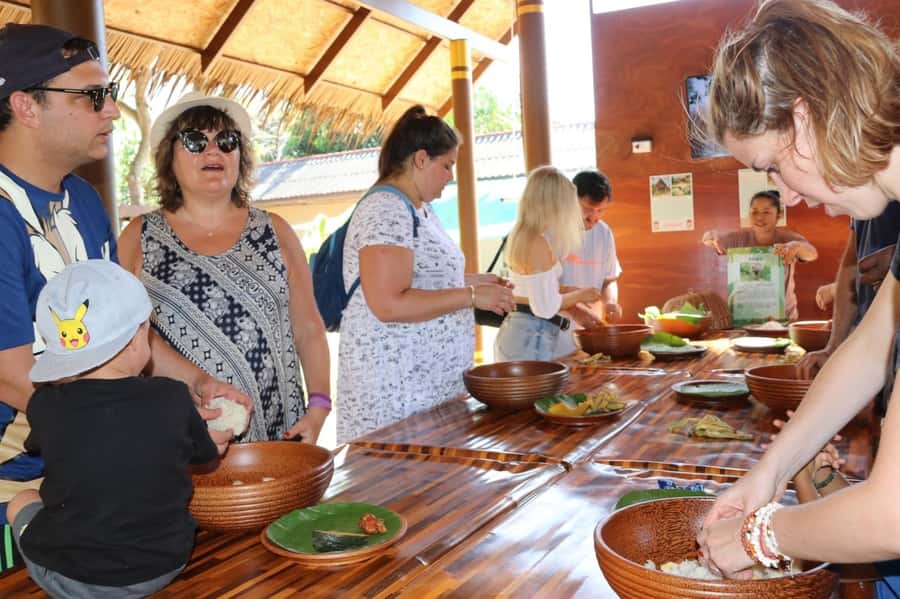
- Natural food preparation: watch (and help with) making elephant food with bananas, pumpkin, sticky rice, and herbs.
- Calm, respectful feeding: elephants eat in a safe, natural setting without pushing contact.
- Ethical care model in Samui: it’s presented as the first elephant nursery in Koh Samui, built around rescue and rehabilitation.
- Guide-led stories and routines: you get background on the elephants and what staff do every day to keep them comfortable.
- Photography without crowding: you can take photos/videos from a respectful distance, and staff often helps with phone shots.
Entering Samui Elephant Nutrition: What You’re Actually Signing Up For
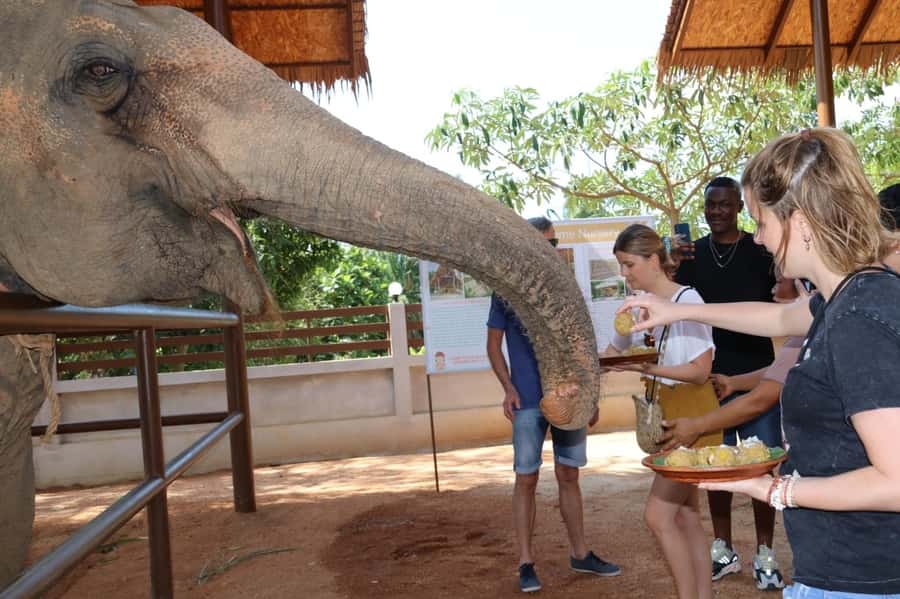
This experience is built around one clear idea: food is care. In many elephant encounters across Thailand, visitors chase quick thrills. Here, the point is to understand elephant health through diet and daily routine, and to see how staff reduce stress while elephants eat calmly.
What makes it especially meaningful for me (and likely for you) is that you’re not just standing there. You’re learning what elephants need, how nutrition changes by life stage, and why “interaction” should never come at the cost of wellbeing.
Also, the vibe tends to be emotional in a quiet way. Guides talk about rescue backgrounds and individual histories, and it lands because the facility is focused on long-term welfare, not showmanship.
Hotel Pickup Timing and the Real “2 Hours” Expectation
You start with hotel pickup in Koh Samui. After booking, you’re sent a pickup time and you’re asked to wait in the lobby about 15 minutes. It’s simple, but it helps to be ready—don’t plan a long coffee first.
Officially, the experience is listed as 2 hours, including time at the nursery. In real life, the elephant-focused portion can feel closer to around an hour depending on the day’s flow, so treat it like a short, concentrated visit rather than a half-day adventure.
Bring your passport or ID card. It’s required, and there’s no reason to get held up at check-in.
More time with the elephants at the sanctuaries
First Stop: Samui Elephant Home and the Safety Briefing
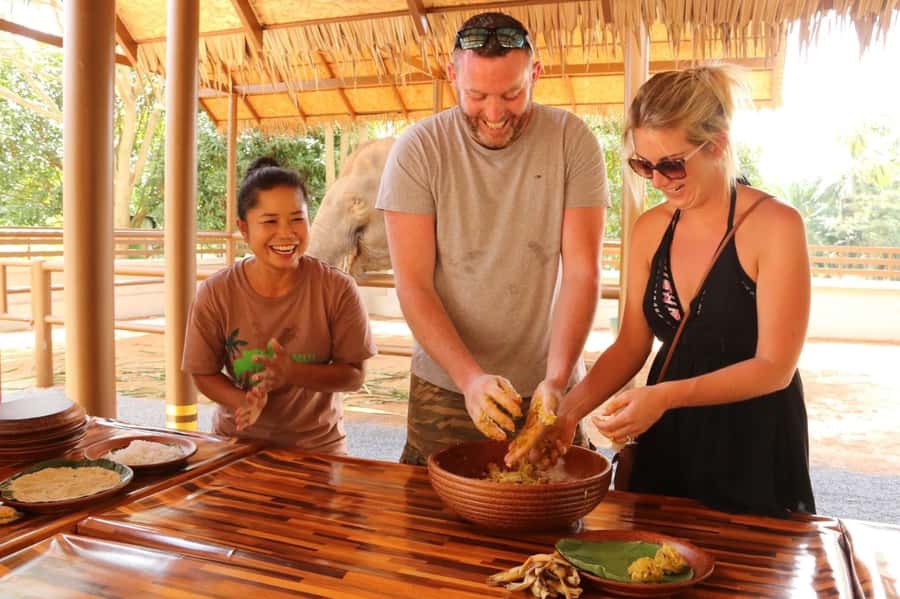
When you arrive at the Elephant Home Nursery, you get welcomed by an experienced guide. The first block usually includes a safety briefing and an introduction to the elephants, including their background and what makes their care different from typical “tour” elephant setups.
I like that this stage frames the visit as education. You learn what’s considered respectful behavior around elephants and how staff manage space so the animals stay calm. That matters because elephants can get stressed when humans crowd in, rush, or act like this is a ride or performance.
You’ll also hear about the nursery’s approach to ethical care and daily routines. Some guides are emotional when they talk about the elephants’ earlier lives. It’s not a “performance story”—it’s delivered like someone has lived with the work for a long time.
Meet the Elephants: Individual Stories, Mahouts, and Calm Behavior
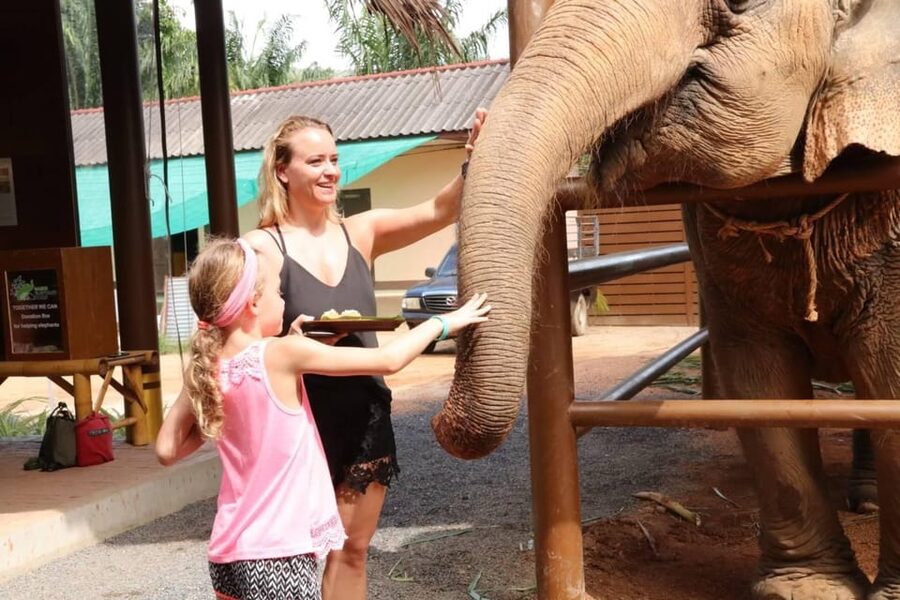
Before food prep starts, you’re introduced to the elephants you’ll see today. The guide walks you through individual stories—which is important, because elephants aren’t interchangeable.
You might also meet or hear about carers called mahouts. In an ethical nursery setup, mahouts aren’t there for entertainment. They’re part of the daily care system, helping train elephants gradually to feel comfortable around routine handling and feeding procedures.
One more practical note: elephants in this setting are often visible in a safe, natural environment rather than in a tightly packed “photo squeeze.” You may see them behind a fence or in a controlled area for their comfort. That’s a good thing. It means the staff is prioritizing the elephants’ calm over maximizing contact.
The Food Prep Moment: Bananas, Pumpkin, Sticky Rice, and Herbs
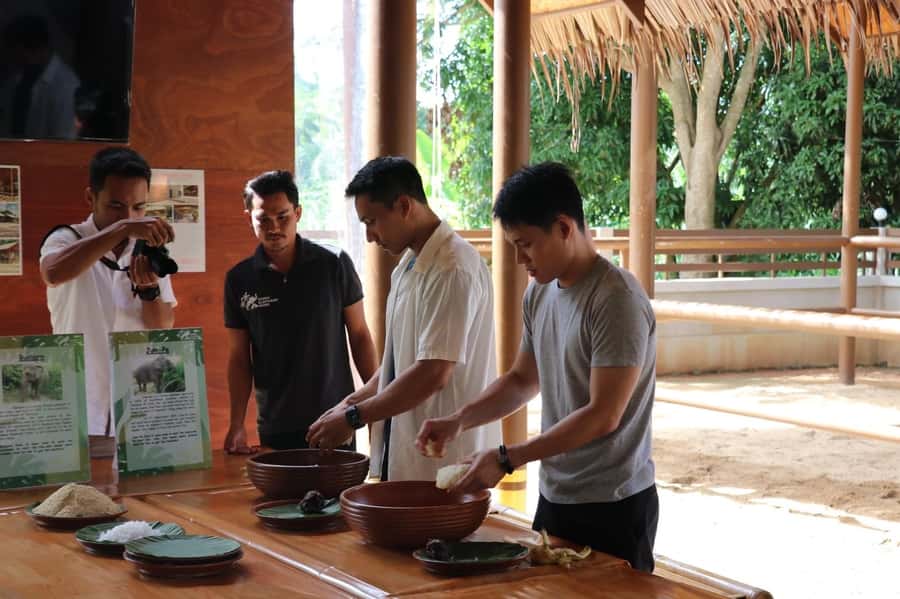
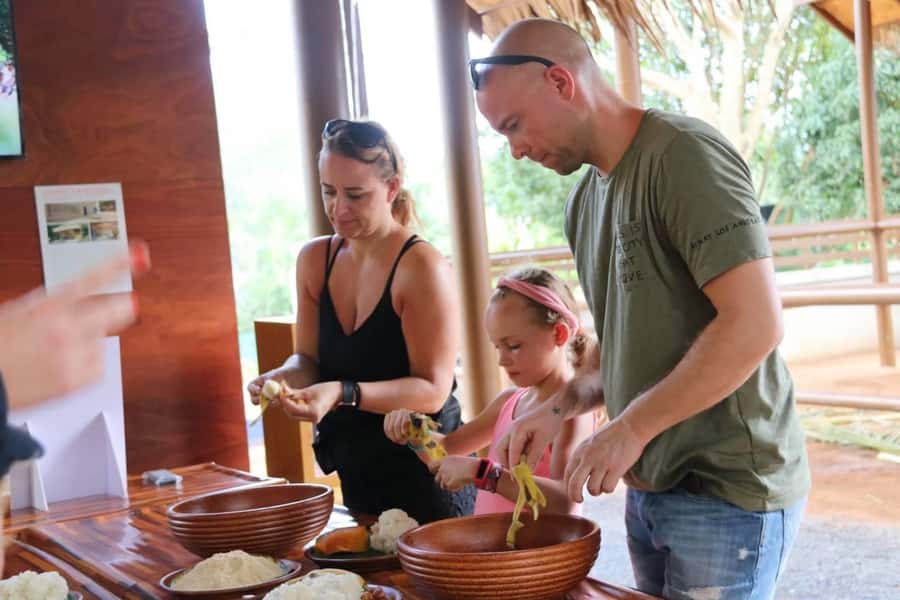
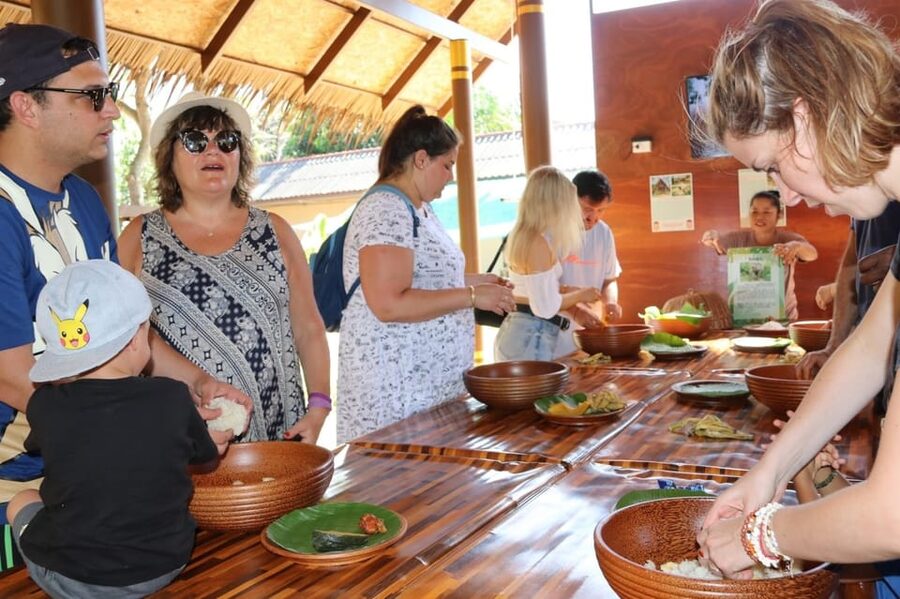
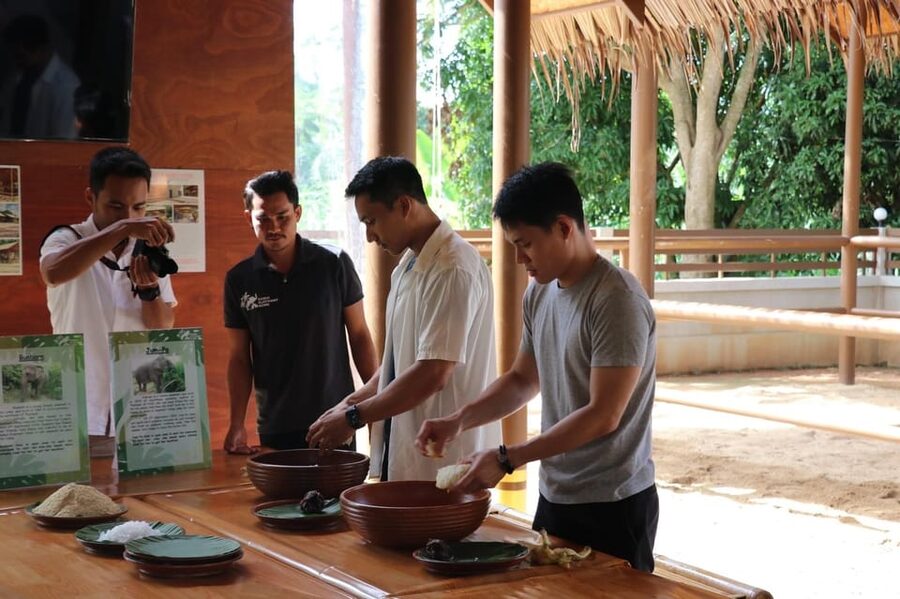
This is the most active part of the program. The guide and staff lead you through preparing a natural supplementary diet for the elephants, using ingredients such as bananas, pumpkins, sticky rice, and herbs.
You’ll learn that nutrition isn’t one-size-fits-all. The guide explains how diet supports elephants of different ages—from young calves to older elephants—and how staff adapt the feeding approach to match individual needs. Even if you’ve never thought much about elephant nutrition before, it’s easy to connect the dots: the “right food” supports health, digestion, body condition, and long-term wellbeing.
Many visitors find the prep fun because it’s hands-on. You’re not just watching someone else cook. You’re part of the process, which makes the final feeding feel purposeful.
A small detail that makes a difference: staff typically keep control of the flow. So you help, but you’re not constantly moving around the animals. That rhythm is one reason the feeding looks calm instead of chaotic.
Watching the Feeding: Ethical Care Means No Tricks
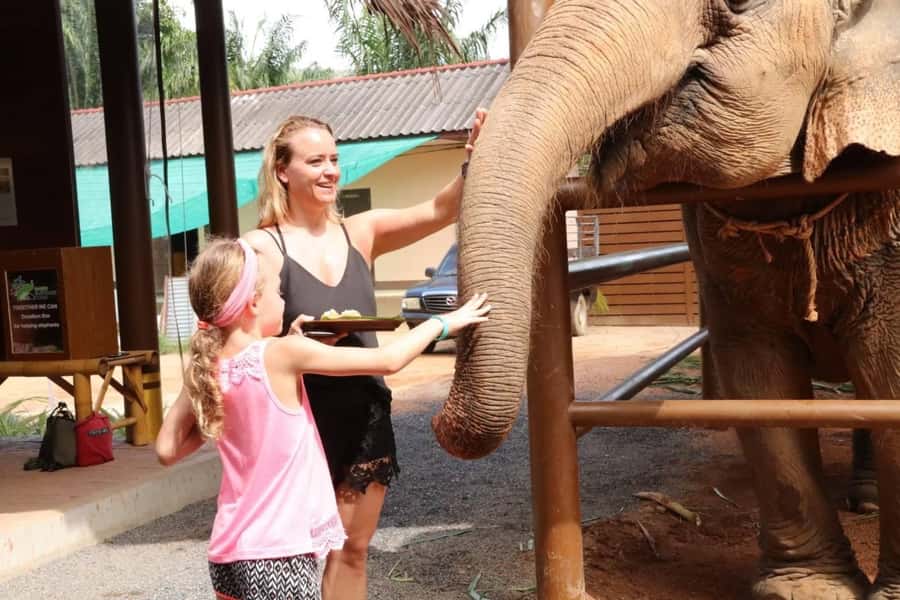
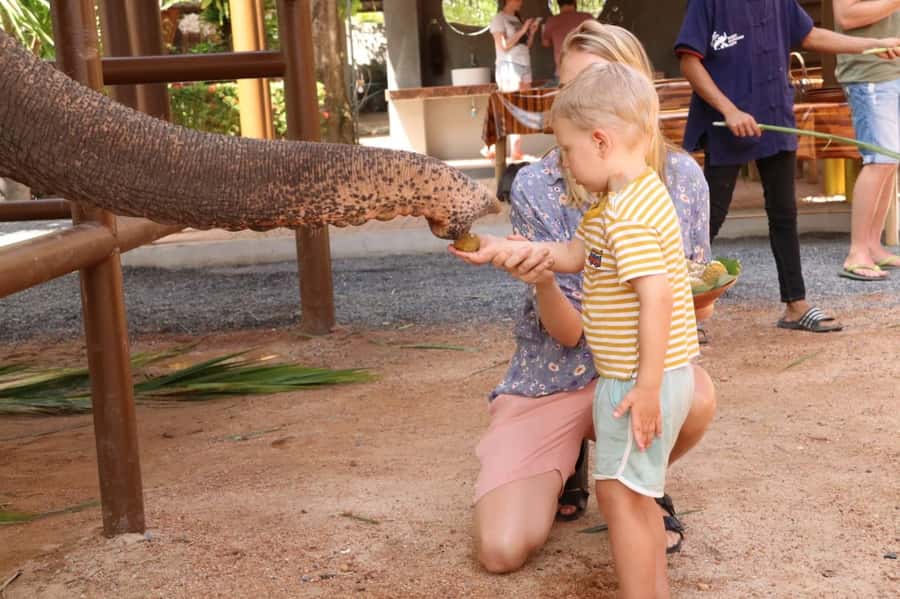
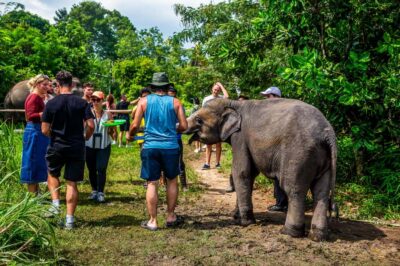
Once the food is ready, you’ll watch elephants enjoy it calmly. The program is structured to keep the experience respectful—no riding, no bathing during this core activity, and no pushing for forced interaction.
If you want the blunt version: elephants eat better when people don’t treat them like a circus. Here, the focus is on daily routine and stress reduction. You’ll often see elephants come in, eat, and settle back into comfort rather than getting worked up for attention.
You’ll also get time for photos and videos, usually from a respectful distance. Many people like that staff can help capture phone videos from your perspective, so you get memories without having to crowd in or fight for angles.
And yes, it can feel a little human to see the animals eat what you helped prepare—one of the reasons this experience earns such consistently high ratings.



Why Nutrition Education Matters for Conservation (Not Just Animal Watching)
Here’s the conservation angle that actually helps you understand what you’re supporting. Rescuing and caring for elephants is expensive. Staff share that the cost to support a single elephant can be extremely high (one guide figure shared is around 34,000€). It’s funded by a mix of support and—importantly—tourist contributions.
The nutrition education part matters because it builds awareness. When you learn how diet supports health across life stages, you’re better equipped to spot exploitative elephant “experiences” elsewhere. You’ll know what responsible care looks like: calm handling, appropriate feeding, and staff-led routines built around animal comfort.
It’s also a reminder that ethical conservation is slow. It’s not a quick selfie win. It’s day-after-day feeding, monitoring, and training that helps rescued elephants live stable, safer lives.
Price and Value: Is $32 a Fair Deal?
At $32 per person, this isn’t a throwaway add-on. But it also isn’t trying to sell you a premium fantasy experience.
Here’s what you get for the money:
- Hotel pickup and drop-off
- An English-speaking guide and safety briefing
- Insurance included
- Guided education about elephant nutrition and care
- Staff-led demonstration and ingredient-based supplementary food prep
- Time to watch calm feeding and take photos from a respectful distance
The value equation gets better because this isn’t just “look at elephants.” You’re paying for education you can carry home—how care routines work, why diet matters, and how ethical tourism supports long-term welfare.
Two quick cost notes:
- Food and drinks are not included, so plan your next meal break accordingly.
- If you specifically want bathing, that may be offered as a separate package at a higher price, so factor that into your expectations.
Who This Tour Fits Best (And Who Might Feel Disappointed)
This is a great match if you want:
- an ethical elephant visit without riding or show tricks
- hands-on learning through food prep
- a guide who talks about individual elephant stories and daily care
- a calmer pace that works for families and mixed-age groups
It might feel less ideal if you’re chasing maximum contact, big “animal petting” time, or activities that revolve around bathing. This program is designed around respectful observation and care-focused interaction, not gimmicks.
Also, if you’re someone who needs a full half-day excursion, this may feel short. The core time at the nursery is concentrated, so plan something else after—maybe a beach stop or a quiet dinner where you can process what you learned.
Practical Tips Before You Go
A few small things help this trip feel smoother:
- Wear shoes that can handle damp or uneven ground. Elephant-care areas can be muddy in some seasons.
- Bring a light layer. Temps and humidity can shift between pickup and the nursery.
- Keep your phone ready for photos, but don’t crowd. Follow the guide’s distance cues.
- Since food and drinks aren’t included, plan water. You’ll appreciate it during the explanation and prep part.
If you’re the type who likes to ask questions, this is a good place to do it. Guides typically share details about diet, routines, and why this model of care exists.
Should You Book Samui Elephant Nutrition and Care Education?
If you want an elephant encounter that stays focused on wellbeing, I’d say yes, book it. The combination of nutrition education, natural food prep, and calm feeding makes it feel grounded. The hotel pickup also lowers the hassle, and the price feels fair for what’s included.
Just set the right expectation: this is an ethical, learning-centered visit, not a bathing-and-riding day. If you’re okay with that—and you want to leave with real understanding rather than just photos—you’ll likely feel like this was money well spent.
FAQ
How long is the experience?
It’s listed as 2 hours. The time at the nursery can feel closer to about an hour depending on the schedule.
Is hotel pickup and drop-off included?
Yes. Pickup and drop-off from your hotel in Ko Samui are included.
What’s included in the price?
Hotel pickup/drop-off, an English-speaking guide, and insurance are included.
What’s not included?
Food and drinks are not included.
What do I need to bring?
Bring your passport or ID card.
Are photos and videos allowed?
Yes. You’ll have opportunities to take photos and videos from a respectful distance.
Is there anything special about booking or cancellation?
You can cancel up to 24 hours in advance for a full refund. The booking also offers a reserve now & pay later option.
More Tour Reviews in Ko Samui
- Koh Samui: Pig Island & Koh Tan Snorkeling by Speed boat★ 4.5 · 4,149 reviews
- Koh Samui: Mu Ko Ang Thong Park Cruise with Kayaking Option★ 4.3 · 3,728 reviews
- Koh Samui: Half-Day Island Highlights Tour with Hotel Pickup★ 4.6 · 3,556 reviews
- Koh Samui: Island Hopping Adventure in Coral and Pig Island★ 4.6 · 3,453 reviews
- Koh Samui: Mr.Ung’s 4WD Wild Jungle Safari Tour with Lunch★ 4.7 · 2,956 reviews
Time With the Samui Elephants
- Koh Samui: Elephant Sanctuary Entry and Feeding Experience★ 4.7 · 1,446 reviews
Just Added: Fresh Koh Samui Reviews
- EasyKart Koh Samui (Chaweng Lake): Go-Kart Racing Experience
★ 4.3 · 10 reviews - Pig Island(Koh Mudsum) and Koh Tan Half Day Snorkeling Tour
★ 4.2 · 11 reviews - Private Group Half-Day City Tour Around Koh Samui
★ 4.1 · 20 reviews - Zipline in Koh Samui Adventure activity tour
★ 5.0 · 20 reviews - Koh Samui: Island Tour with Sunset and Sightseeing
★ 4.5 · 23 reviews - Koh Samui: Zipline Experience of Lamai Viewpoint
★ 4.1 · 31 reviews
Koh Samui Elephant Sanctuary Tours, compared.
 ★ 4.7Elephant Sanctuary Entry and Feeding ExperienceFrom $281,446 reviews
 ★ 4.7Elephant Sanctuary and Jungle Tour with LunchFrom $571,328 reviews
 ★ 5.0Half Day Elephant Home Sanctuary in SamuiFrom $97663 reviews
 ★ 5.0Samui Elephant Kingdom Ethical Sanctuary and Skywalk TourFrom $9772 reviews
 ★ 5.0Koh Samui Elephant Home Sanctuary and the first Elephant MuseumFrom $6556 reviews
 ★ 5.0Army Jeep Jungle Safari and Elephant Freedom Rescue Centre TourFrom $634 reviews
Browse the lists this tour appears in