
Reviewed · KOH SAMUI ELEPHANT SANCTUARY TOURS
Koh Samui Elephant Home Sanctuary and the first Elephant Museum
A gentle giant story starts right away. This Koh Samui tour blends an elephant museum with a respectful jungle walk and hands-on habitat support. You’ll start at Samui Elephant Home, then move through the first Elephant Museum on the island, and finish with a conservation activity that goes beyond watching.
I especially like two things: the chance to learn the elephants’ cultural and historical role through an actual museum, and the fact that the tour includes a real conservation action (seed bombs) instead of only photo stops. It also runs in a small group (max 20), which makes the guide time feel less rushed.
One thing to consider: the schedule spends enough time at the museum that it may feel slower than a pure wildlife-and-walk tour. And depending on where you’re staying, the drive can add time to your morning.
In This Review
- Key highlights from this Koh Samui elephant experience
- An ethical elephant museum plus jungle walk on Koh Samui
- Getting there, meeting point, and how the timing works
- Stop 1 at Samui Elephant Home: making seed bombs that support future food
- Stop 2: the first-ever Elephant Museum on Samui and what you actually learn
- Stop 3: jungle walk with elephants and learning mud-cooling behavior
- Guides, group size, and the small comforts that matter
- Price and value: is $65.18 a good deal?
- Who should book this Koh Samui elephant tour (and who might skip it)
- Should you book Koh Samui Elephant Home and the first Elephant Museum?
- FAQ
- FAQ
- How long is the Koh Samui Elephant Home and first Elephant Museum tour?
- Where does the tour start?
- Is pickup offered?
- Do I get a mobile ticket?
- What stops are included in the itinerary?
- Do I participate in making seed bombs?
- Is there a jungle walk with the elephants?
- How big is the group?
- Is the tour family-friendly?
- What is the cancellation policy?
- Is there any comfort included like water or toilets?
Key highlights from this Koh Samui elephant experience
- First Elephant Museum on Koh Samui: Learn through exhibits titled The Elephant’s Legacy: Traces of Time, Steps of Change
- Seed bombs for elephant habitat support: Clay-and-native-seed making, then launching with a slingshot
- Jungle walk with elephants in their space: Watch behaviors like mud cooling, not a riding/show setup
- Small group size (up to 20): Better pacing and more time to ask questions
- Guides who bring the story to life: You may meet guides such as Katie or Angie, with lots of Q&A
- Comfort basics included: Reviews mention cold water and very clean toilets
An ethical elephant museum plus jungle walk on Koh Samui
If you’re trying to do elephants in a way that feels responsible, this tour is built for that. On Koh Samui, it’s one of the few options that pairs education with a sanctuary-style visit, then adds a simple conservation task so you don’t leave feeling like it was only entertainment.
The first big draw is the museum. This isn’t just a few posters and statues; it’s presented as an experience under the concept The Elephant’s Legacy: Traces of Time, Steps of Change. That framing matters because it connects elephants to Thai culture and to how people have viewed them over time.
Then comes the jungle walk, designed around observation. You’ll see elephants in a natural-feeling setting and learn how sanctuaries support them—especially their cooling behavior, including playing with mud to cool down.
What also helps: the tour runs about 2 hours 30 minutes, and the group stays small (maximum 20). That pacing makes it easier to absorb the lessons without feeling like you’re being herded.
Getting there, meeting point, and how the timing works
The activity starts at Samui Elephant Home, at 11 8, Tambon Na Mueang, Amphoe Ko Samui, Chang Wat Surat Thani 84140. The tour ends back at the meeting point, so you’re not signing up for a long, uncertain route home.
Pickup is offered, but you’ll want to confirm what that means for your exact hotel area when you book. If you’re using local transport, the tour is listed as being near public transportation, which can make it easier if you don’t have a car.
In real terms, you’re looking at three blocks inside the same sanctuary experience: about 30 minutes at the home area for seed-bomb making, about 30 minutes for the museum, and about 1 hour for the jungle walk. Because the museum is a full chunk of your tour, build your expectations around learning time—this isn’t just a quick meet-and-greet.
More time with the elephants at the sanctuaries
Stop 1 at Samui Elephant Home: making seed bombs that support future food

The tour begins at Samui Elephant Home, where you get the key background you need before you head deeper into the visit. This first stop includes a hands-on activity: you make seed bombs from clay with native seeds. The goal is to help create planting material for elephants’ habitat and future food.
This part is short, but it’s important. When you do a conservation activity yourself, it changes how you view what comes next. Instead of thinking of elephants as something to watch, you start thinking about habitat, food sources, and restoration.
Practical note: this is a tactile activity. Clay is messy by nature, so it helps to wear clothes you don’t mind getting a little dirty. If you’re sensitive about clean outfits, plan to change or bring something you can rinse.
Stop 2: the first-ever Elephant Museum on Samui and what you actually learn
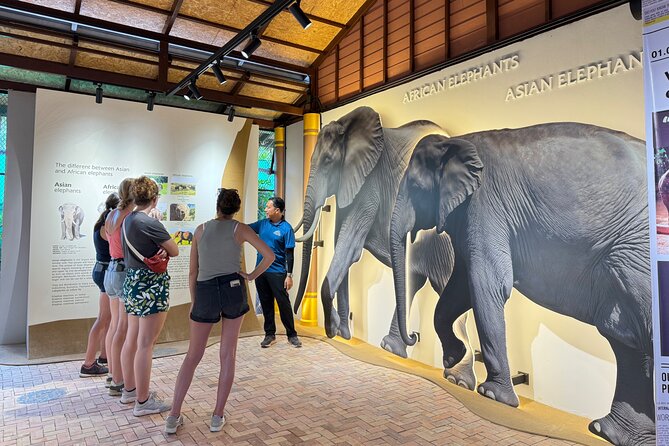
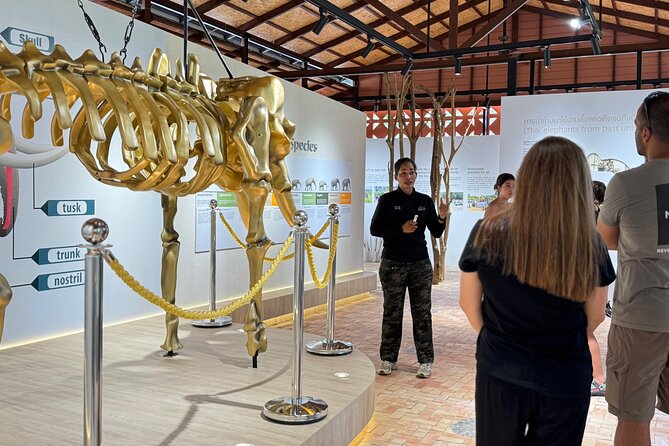
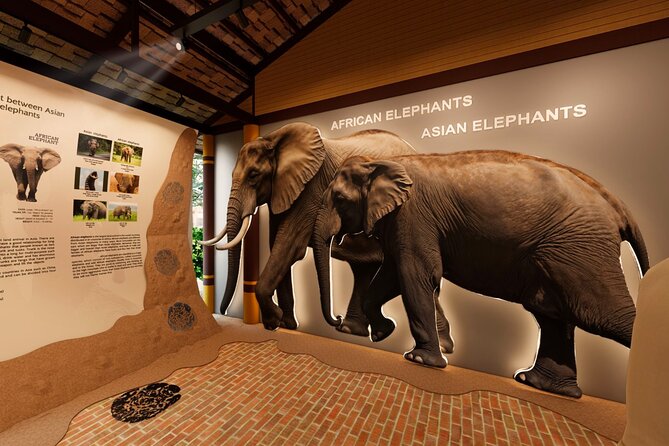
Next up is the first-ever Elephant Museum on Koh Samui. The experience is structured around the theme The Elephant’s Legacy: Traces of Time, Steps of Change, and it’s designed to connect three things: elephants, Thai culture, and how attitudes have shifted over time.
A good museum experience does two jobs at once. First, it explains what you’re seeing later—why elephants matter in daily life and history, not just as an animal attraction. Second, it gives you language for the ethical side of the conversation, so the sanctuary visit doesn’t feel like a vague slogan.
This stop also has a real tempo. The tour gives you about 30 minutes here, which is enough time to look at the exhibits and still ask questions, but it’s also enough time that some people may feel it’s not a lightning-fast stop. If you prefer nonstop movement, you may need to mentally prep for a slower pace for learning.
If you get a guide like Katie or Angie, it’s often the Q&A that makes this section land. Reviews highlight how guides answered questions and added context, which turns the museum from passive reading into something you can connect to elephant care today.
Stop 3: jungle walk with elephants and learning mud-cooling behavior
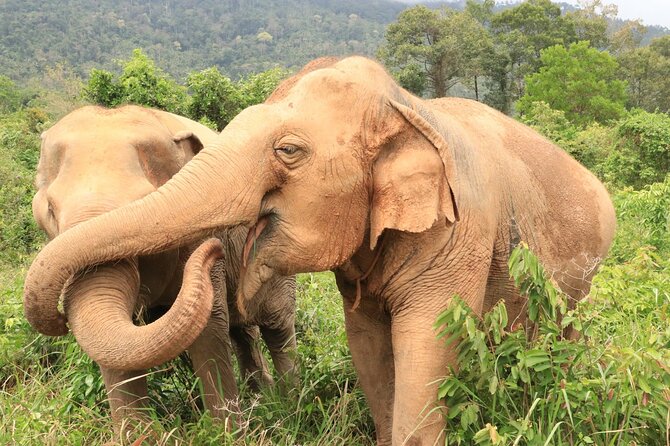
The final activity is the jungle walk with elephants. This is where the tour shifts from museum-style learning to direct observation in the elephants’ environment.
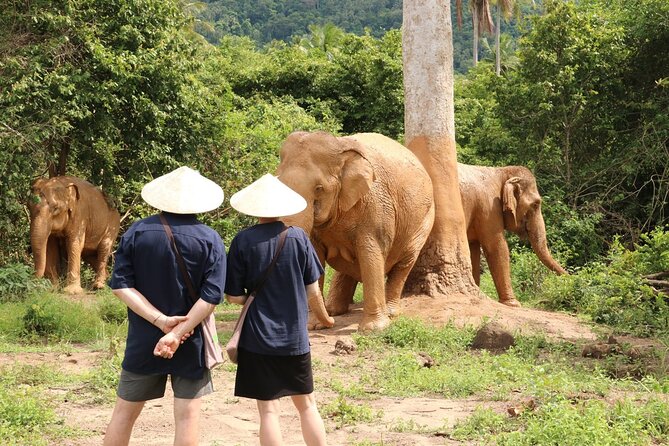
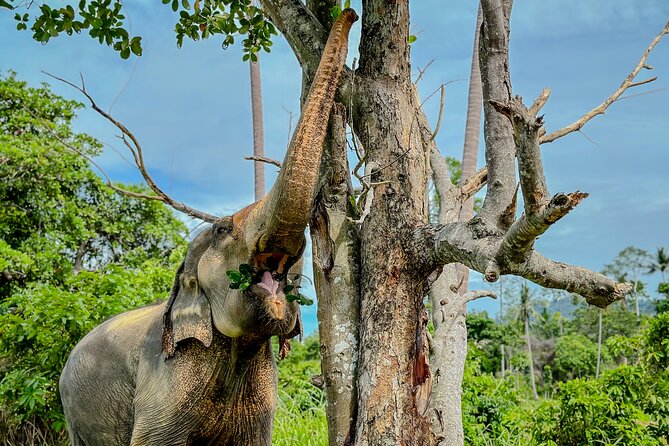
You’ll watch elephants in a habitat setting and learn what they do when they move and interact naturally. One specific behavior you can expect to hear about is mud cooling. Elephants use mud to cool down, and this tour gives you time to observe that kind of natural behavior up close.
This is also where the ethics of the tour become practical. The sanctuary model here is about care and recovery, not using animals for entertainment. Based on visitor accounts, the elephants in the sanctuary include animals rescued from things like circus performing, logging work, and being ridden. That context adds weight to what you’re seeing in the jungle walk.
One gentle reality check: because elephants are still animals living their own schedule, the “walk” isn’t likely to feel like a hike where you set your own pace. You’re there to observe what happens. If you’re okay with that, you’ll probably find it calmer and more meaningful than a strict itinerary.
Guides, group size, and the small comforts that matter
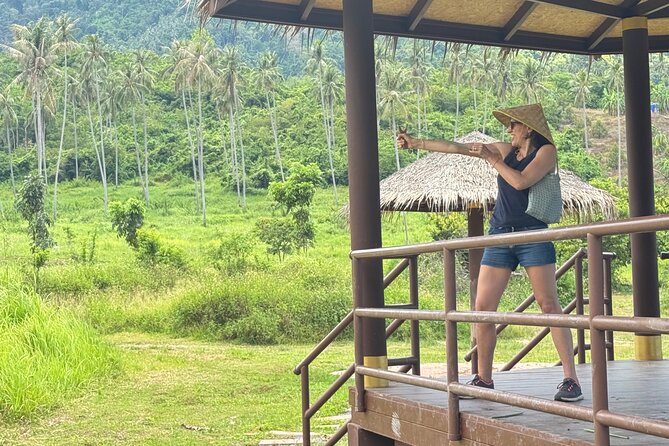
This tour is capped at 20 people, and that size is a big deal. You’re less likely to feel lost in the crowd, and your guide can actually answer questions without shouting over 50 other voices.
Reviews also spotlight the guides. People mention guides such as Katie and Angie for being friendly, helpful, and strong on background details. Even when you’re not a big “museum person,” this kind of guided explanation helps you connect what you’re seeing to elephant history and modern sanctuary care.
Comfort basics show up too. Visitors specifically note cold water available and toilets described as immaculate. It’s not flashy, but it matters when you’re spending time outdoors and moving through a few stops.



Price and value: is $65.18 a good deal?

At $65.18 per person for about 2.5 hours, the value depends on what you want from an elephant experience.
If your goal is only an encounter that’s quick and photo-focused, other activities might feel cheaper. But this is a different type of product: you’re paying for guided education (including the museum), time with elephants in their environment, and a hands-on conservation task (seed bombs).
Here’s why that usually feels like good value to the right traveler:
- You get structured learning time, not just “look and go.”
- You participate in a conservation action instead of only watching.
- The group stays small, which often means better guide attention.
- The format is built around ethical sanctuary principles rather than performance.
It also helps that the tour is rated highly, with many people recommending it. That doesn’t mean every moment is perfect for everyone, but it’s a clue that the experience tends to land for people who care about ethics and education.
Who should book this Koh Samui elephant tour (and who might skip it)
You’ll likely enjoy this tour if you:
- Want an elephant visit that focuses on ethics and education
- Like learning about cultural and historical context alongside nature time
- Prefer a smaller group experience with time for questions
- Don’t mind a museum stop in the middle of the morning
- Are okay doing a simple hands-on activity like seed bombs
You might want to think twice if you:
- Expect a fast, movement-heavy outing with minimal standing or reading time
- Dislike getting your hands a little dirty (seed bombs involve clay)
- Are short on time and can’t handle the full 2.5-hour block
Should you book Koh Samui Elephant Home and the first Elephant Museum?
If you’re looking for the best balance of ethics, education, and actual conservation action, I’d say yes—book it. This tour offers more than a quick elephant sighting: you learn through the island’s first Elephant Museum concept and then reinforce that learning with a habitat-support activity.
The biggest reason to book is the way the day is structured. You don’t just arrive, take photos, and leave. You leave with a clearer understanding of why sanctuaries exist and how small restoration steps (like seed bombs) fit into the bigger picture.
If the museum pacing worries you, adjust your mindset instead of skipping. View it as part of the experience, not a detour—and plan your morning so you’re not rushing.
FAQ
FAQ
How long is the Koh Samui Elephant Home and first Elephant Museum tour?
The duration is about 2 hours 30 minutes.
Where does the tour start?
The meeting point is Samui Elephant Home, 11 8, Tambon Na Mueang, Amphoe Ko Samui, Chang Wat Surat Thani 84140, Thailand.
Is pickup offered?
Yes, pickup is offered.
Do I get a mobile ticket?
Yes. The tour includes a mobile ticket.
What stops are included in the itinerary?
There are three parts at Samui Elephant Home: a seed-bomb making activity, a visit to the first Elephant Museum on Koh Samui, and a jungle walk with elephants.
Do I participate in making seed bombs?
Yes. You’ll make seed bombs from clay and native seeds as part of the conservation activity.
Is there a jungle walk with the elephants?
Yes. The itinerary includes a jungle walk where you observe elephants in their habitat, including mud-cooling behavior.
How big is the group?
The experience has a maximum of 20 travelers.
Is the tour family-friendly?
The experience is described as educational and family-friendly.
What is the cancellation policy?
You can cancel for free up to 24 hours in advance for a full refund.
Is there any comfort included like water or toilets?
Reviews mention cold water available and toilets described as very clean.
More Tour Reviews in Koh Samui
- Koh Samui: Elephant Sanctuary and Jungle Tour with Lunch★ 4.7 · 1,328 reviews
- Half Day Highlights Koh Samui Tour★ 5.0 · 1,312 reviews
- 2-Hour Koh Samui ATV Quad Tour★ 5.0 · 666 reviews
- Half Day Elephant Home Sanctuary in Samui★ 5.0 · 663 reviews
- Pig Island Tour by Speedboat with Snorkeling★ 4.5 · 530 reviews
Time With the Samui Elephants
- Koh Samui: Elephant Sanctuary and Jungle Tour with Lunch★ 4.7 · 1,328 reviews
- Half Day Elephant Home Sanctuary in Samui★ 5.0 · 663 reviews
- Samui Elephant Kingdom Ethical Sanctuary and Skywalk Tour★ 5.0 · 72 reviews
- Army Jeep Jungle Safari and Elephant Freedom Rescue Centre Tour★ 5.0 · 4 reviews
Just Added: Fresh Koh Samui Reviews
- Ko Samui Full-Day Cultural Tour with Hotel Pickup and Drop Off
★ 5.0 · 3 reviews - MuayThai Private Group
★ 5.0 · 3 reviews - Koh Samui Airport to Koh Phangan by Shared Minivan and Seatran Discovery Ferry
★ 4.5 · 3 reviews - Koh Samui Islands Snorkeling Trip By Speedboat
★ 3.5 · 3 reviews - Full-Day Jeep Safari with the Highlights of Koh Samui
★ 3.5 · 3 reviews - Koh Samui ATV Quad Bike Safari
★ 4.0 · 4 reviews
Koh Samui Elephant Sanctuary Tours, compared.
 ★ 4.7Elephant Sanctuary Entry and Feeding ExperienceFrom $281,446 reviews
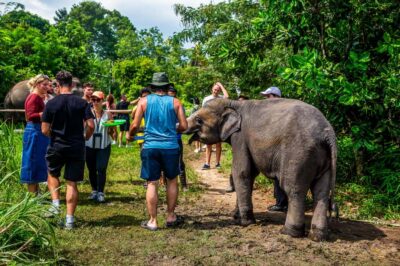 ★ 4.7Elephant Sanctuary and Jungle Tour with LunchFrom $571,328 reviews
 ★ 4.9Elephant Nutrition and Care Education ExperienceFrom $321,223 reviews
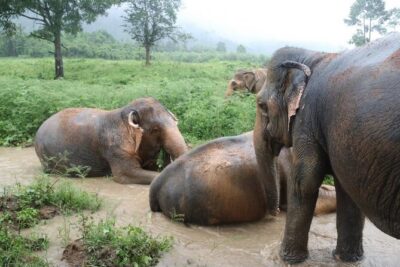 ★ 5.0Half Day Elephant Home Sanctuary in SamuiFrom $97663 reviews
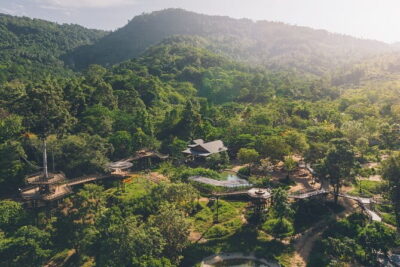 ★ 5.0Samui Elephant Kingdom Ethical Sanctuary and Skywalk TourFrom $9772 reviews
 ★ 5.0Army Jeep Jungle Safari and Elephant Freedom Rescue Centre TourFrom $634 reviews
Browse the lists this tour appears in