
Reviewed · KOH TAO SCUBA DIVING & PADI COURSES
Open Water Course
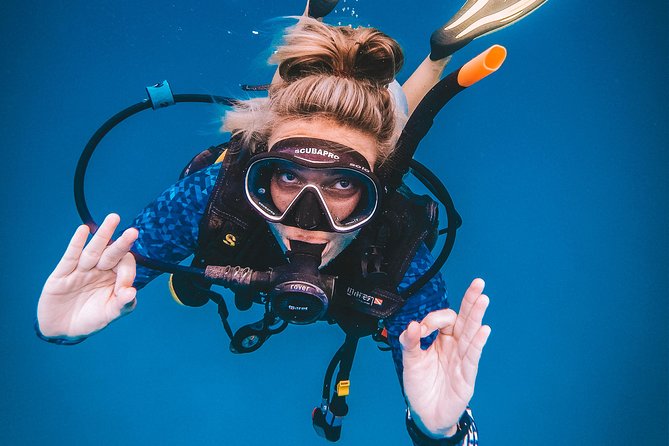
Learning to go underwater feels surprisingly doable here. In Koh Tao, the Open Water Course from DPM is built for first-timers, with small groups and instruction in your own language, plus safety oversight from dive professionals. You’re not just “doing a try-it day” either, you’re working toward a real Open Water Diver certification with international, lifetime validity.
What I like most is the student-to-instructor attention. The course runs with a maximum of 4 students per instructor, and you’re always accompanied by a Dive Master or assistant, so you’re not guessing or left floating on your own. Second, I really appreciate the structure: theory first, then controlled water sessions that build your skills step by step.
The only real drawback is the commitment. It’s a 2.5-ish day schedule (about 2 days 12 hours), and it needs good weather to run smoothly, so plan for a bit of waiting if conditions shift.
In This Review
- Key takeaways before you book
- Koh Tao Open Water Course: what you’re really paying for
- Small groups and constant support (why max 4 matters)
- The training rhythm: theory first, then controlled water practice
- Your first underwater skills: what each day tends to feel like
- Day 1: theory + your first water session
- Day 2: two open-water training sessions
- Day 3: final two sessions + exam
- Nang Yuan Island: why it’s a great practice spot
- Instructors and staff: the human factor you’ll feel fast
- Safety, equipment comfort, and confidence building
- Price and value: $376 for a full certification track
- Logistics that matter: timing, mobile ticket, and weather reality
- Who this Open Water Course fits best
- Should you book this Open Water Course?
- FAQ
- How long is the Open Water Course?
- What’s included in the course?
- Is there a classroom and exam?
- How many students are in a group?
- Where does the course start and end?
- Does the course require good weather?
- Is it refundable if I cancel?
Key takeaways before you book
- Small-group instruction (max 4 students per instructor) for faster feedback and less crowding
- SSI-aligned training through an SSI Instructor Trainer Center, with safety and quality standards built in
- A clear flow: theory + 5 underwater training sessions across about 3 calendar days
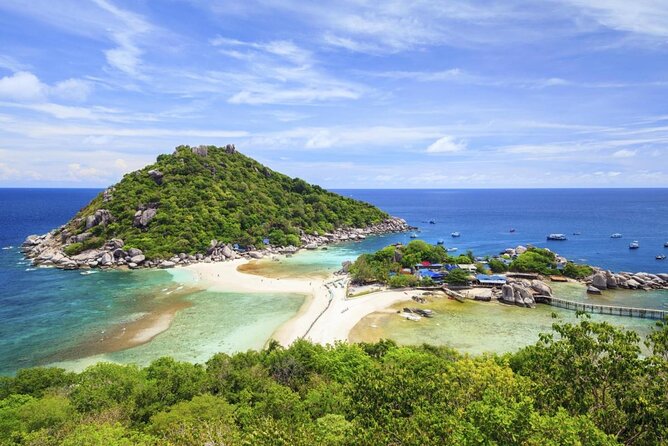
- Nang Yuan Island as one of the main underwater practice locations
- You can choose an extra path if you have spare time, since many people add more certification after Open Water
- Helpful, named instructors like Natasha, Jony, Jessy, Joaco, George, Anna, Tomas, Pat, Mind, Tyler, and Malena are repeatedly praised
Koh Tao Open Water Course: what you’re really paying for
Koh Tao is famous for first-time underwater training, and that’s exactly why this course works as a value pick. You’re not only paying for time on the water. You’re paying for organized skill-building: classroom basics, practice in the water, then open-water sessions where you apply it for your certification.
The price is $376, and for that you get a full Open Water Diver certification track. That matters because the “real” cost on your trip isn’t just the course fee. It’s also the chance to get training that actually makes you comfortable enough to use the certificate later, anywhere in the world.
Also, you should notice the training philosophy: it’s structured, supervised, and small-group. That combination tends to shorten the awkward beginner stage and makes the later sessions feel more natural.
Small groups and constant support (why max 4 matters)
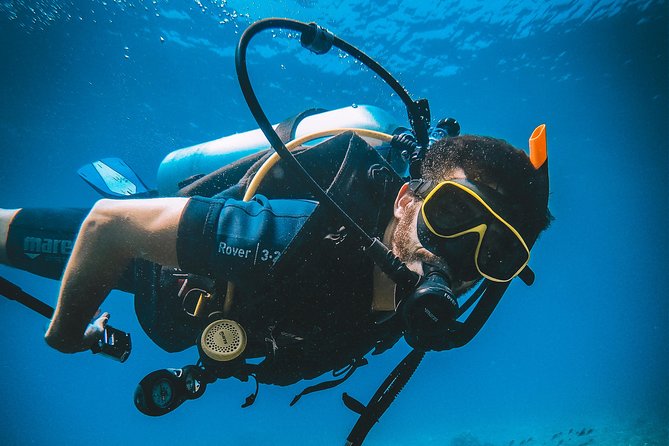
On paper, “small group” is a vague promise. Here, it’s specific: a maximum of 4 students per instructor. In practice, that means you get corrections while they’re still fresh, not after everyone else is already sorted and heading back to the boat.
You’re also always accompanied by a Dive Master or assistant. So if something is off—comfort with equipment, breathing rhythm, buoyancy control—there’s help available right away. That support is a big deal when you’re learning new muscle memory, especially in salty water and changing conditions.
If you’re doing this as a solo traveler, this small-group setup can also help you meet people without turning the experience into a crowded circus. One theme you’ll see in the feedback is how supported people felt, which is usually what good group size buys you.
More dives and courses over on Koh Tao
The training rhythm: theory first, then controlled water practice
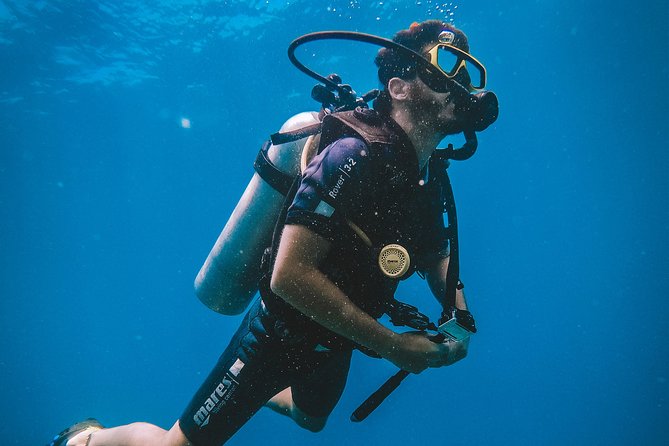
The course runs over roughly 2.5 to 3 days, with a total of theory classes plus 5 underwater training sessions. The pattern is simple:
- Day 1 starts with a morning theory class, then an afternoon water session
- Day 2 is focused on more classroom work, then your open-water sessions
- Day 3 finishes with your final open-water sessions, then a short exam around midday
That order is smart. You learn the key rules and concepts before you’re asked to do them underwater. It reduces the “wait, what was that again?” stress, and it makes your practice feel like it’s building toward something rather than random lessons.
If you’re the type who gets nervous about equipment or pressure changes, this classroom-to-water flow helps. You’re less likely to feel blindsided when you finally hit the open-water part.
Your first underwater skills: what each day tends to feel like
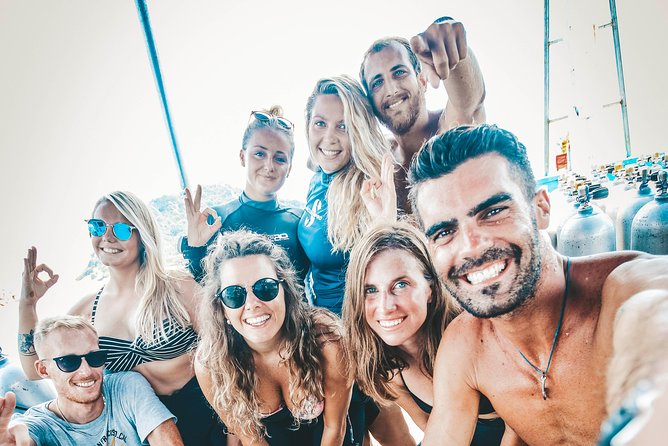
Day 1: theory + your first water session
Day 1 usually feels like a mix of learning and nerves. You get the basics in the morning, then you move into water practice in the afternoon. This is where you start getting comfortable with the gear setup and basic underwater routines.
A first lesson can be technical, but that’s the point. You want to build correct habits early so later sessions don’t feel like you’re relearning everything under pressure.
Day 2: two open-water training sessions
Day 2 is where you shift into the open-water portion with two training sessions. By now, you’ve already had your first touch with the skills, so you can spend more energy on calm breathing, buoyancy control, and following your instructor’s cues.
This is often the day people feel proud. It’s also the day when instructor attention really makes a difference, since small corrections can change everything about how comfortable you feel.
Day 3: final two sessions + exam
Day 3 typically wraps up with your final two open-water sessions and then a short exam around midday. You finish strong because you’ve had multiple practice blocks already.
That exam isn’t meant to trip you up. It’s there to confirm you understand what you learned and that you can apply it safely.
Nang Yuan Island: why it’s a great practice spot
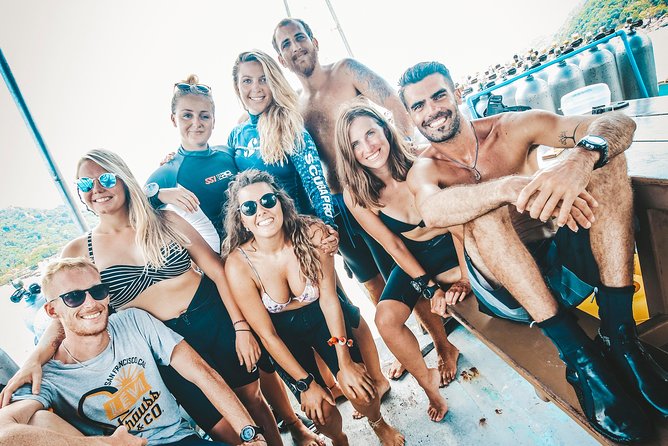
One of your main stops is Nang Yuan Island. This is the kind of place that makes training feel special because the underwater experience is interesting, not just educational.
During training, that matters for two reasons:
- You’re more likely to stay relaxed when the water and marine life are visually rewarding.
- Your skills get practiced in real “world-like” conditions rather than only in a shallow, boring setup.
In feedback, people point out that later sessions can bring the most coral and fish. Translation: don’t judge the whole course by just your first taste of what’s underwater. You often improve quickly, and the best sightings tend to happen as you feel more confident.
Instructors and staff: the human factor you’ll feel fast
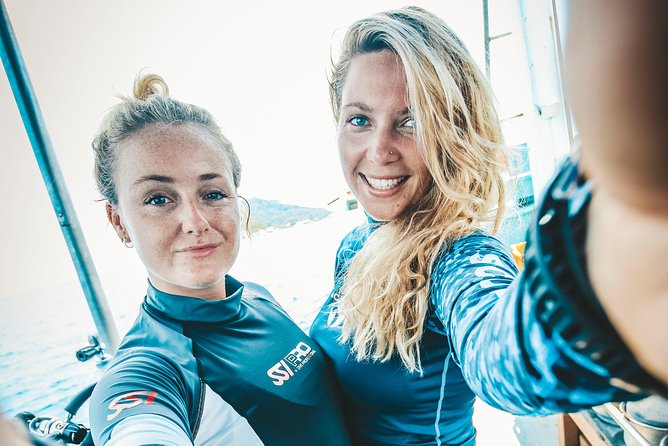
Here’s where DPM earns repeat praise: the staff approach feels personal. Names that come up often include Natasha, George, Anna, Tomas, Jony, Mind, Joaco, Jessy, Pat, Tyler, and Malena.
The practical value of good instructors isn’t just friendliness. It’s how they teach when you’re worried. For example, multiple comments highlight ear pressure concerns, and the common thread is that instructors stayed attentive and supportive.
When you ask for help early, you usually prevent problems later. That’s why I like this school’s reputation for being responsive, especially for nervous first-timers.
If you have a preference, ask about instructor matching when you book. One of the strongest bits of advice from feedback is to request Natasha if possible.
Safety, equipment comfort, and confidence building
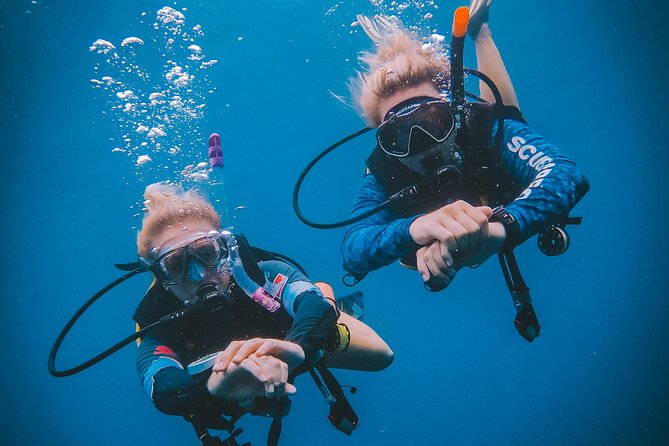
You’re working toward an Open Water Diver certification that allows you to dive (using the certificate) up to 18 meters, with international and lifetime validity. That’s the credential you’re building toward, so safety and competence aren’t afterthoughts.
In the water, you should expect constant guidance. That’s partly instruction and partly confidence-building. People consistently mention feeling safe and comfortable with equipment, which is exactly what you want during training.
Also, don’t ignore your body. If you have any concerns—ear pressure sensitivity, anxiety around buoyancy, fear of not being in control—bring it up early. The course is designed around guided practice, not “figure it out and hope.”
Price and value: $376 for a full certification track
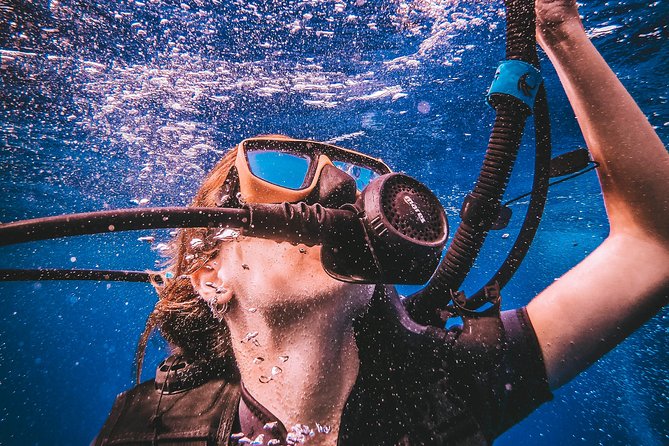
At $376, this isn’t the cheapest way to spend a few days on Koh Tao. It’s also not a random add-on. You’re buying:
- theory classes
- 5 underwater training sessions
- guided instruction with strict small-group limits
- a path to a globally recognized Open Water Diver certification
So the value question becomes: do you want low-cost trial learning, or do you want training that you can actually rely on? For most people, certification quality is worth more than a bargain price, because it affects what you can do after the course.
Also consider the opportunity cost. If you get training elsewhere that leaves you shaky, you’ll often spend more money later trying to fix comfort and skills. A course that gets you confidently through all sessions can be a better “total trip” value.
Logistics that matter: timing, mobile ticket, and weather reality
This experience is held in Koh Tao, and it uses a mobile ticket. That’s convenient because you don’t need to chase paper tickets around town.
You’ll meet at the DPM center in Tambon Village area on Soi dpm diving (Koh Tao). The location is near public transportation, which is useful on an itinerary-heavy trip.
The course also requires good weather. If it gets canceled due to poor weather, you’ll be offered a different date or a full refund. Keep that in mind when you plan flights and hotel check-out. Diving training is weather-sensitive in general, and this one is explicit about that.
One more practical note: the experience is private in the sense that only your group participates. If you like a calmer feel (no random mixing mid-course), that’s a plus.
Who this Open Water Course fits best
This course says no previous experience is needed, and the structure supports that. It’s a good fit if you:
- want a real Open Water Diver certification, not just a sightseeing swim
- care about safety and hands-on instruction
- prefer small groups over large classes
- are traveling solo or in a small group and want support that doesn’t disappear when you’re in the water
It also tends to work well if you’re worried about ear pressure or nerves. When instructors are attentive, that kind of anxiety doesn’t have to derail your progress.
If you have extra time in Koh Tao, you’ll see people add more training afterward, like advanced certification. Open Water is often the “first step” that unlocks that.
Should you book this Open Water Course?
If you want a certification-focused course with small-group attention, structured theory, and a team that’s repeatedly praised by name, this is a strong booking choice. The $376 price makes sense when you look at the full package: classroom learning, 5 training sessions, and a certification outcome with international, lifetime validity.
I’d skip it only if your schedule is too tight to handle weather-related shifts, or if you’d rather gamble on cheaper, less structured training. If you’re booking this as part of a real Koh Tao plan, this course gives you the kind of guided support that makes first underwater days feel manageable and worth it.
FAQ
How long is the Open Water Course?
It runs about 2 days 12 hours (approx.) and is typically spread across three calendar days with theory and five underwater training sessions.
What’s included in the course?
You get theory classes and a total of 5 underwater training sessions, with instructor guidance at all times.
Is there a classroom and exam?
Yes. The course includes classroom sessions and ends on day 3 with a short exam around midday.
How many students are in a group?
The course runs with a maximum of 4 students per instructor, with a Dive Master or assistant also accompanying the group.
Where does the course start and end?
It starts at the DPM Koh Tao meeting point in Tambon Village and ends back at the same meeting point.
Does the course require good weather?
Yes. The experience requires good weather. If it’s canceled due to poor weather, you’ll be offered a different date or a full refund.
Is it refundable if I cancel?
No. This experience is non-refundable and cannot be changed for any reason. If you cancel, the amount paid will not be refunded.
More Tour Reviews in Koh Tao
- Full day snorkeling adventure around Koh Tao★ 5.0 · 2,300 reviews
- Open Water Course – Become certified diver in 3 days★ 5.0 · 1,137 reviews
- Advanced Adventurer – 2 days ( Advanced Open Water)★ 5.0 · 206 reviews
- Basic Diver ( One Day Experience)★ 5.0 · 205 reviews
- Snorkel Tour to Koh Nangyuan and the hidden bays of Koh Tao onboard the Oxygen★ 5.0 · 190 reviews
Diving Off Koh Tao
- Open Water Course – Become certified diver in 3 days★ 5.0 · 1,137 reviews
- Advanced Adventurer – 2 days ( Advanced Open Water)★ 5.0 · 206 reviews
- Basic Diver ( One Day Experience)★ 5.0 · 205 reviews
- La Bombona Diving Koh Tao Open Water Course★ 5.0 · 172 reviews
- Become certified diver in 3 days – PADI Open Water Diver course on Koh Tao★ 5.0 · 104 reviews
Just Added: Fresh Koh Samui Reviews
- Koh Tao’s Top Snorkeling Spots by Vintage Wooden Boat
★ 5.0 · 5 reviews - Koh Tao’s First Light Snorkel Adventure with Oxygen Tours
★ 5.0 · 5 reviews - Koh Tao, Koh Nangyuan and Hidden Bays Snorkeling with Lunch
★ 4.5 · 6 reviews - La Bombona Diving Koh Tao Try Dive
★ 4.5 · 14 reviews - Koh Tao : Private Road Trip To 8 Famous Places
★ 4.5 · 16 reviews - Snorkel Trip to Koh Nangyuan and Bays of Koh Tao By The Oxygen
★ 5.0 · 30 reviews
Koh Tao Scuba Diving & PADI Courses, compared.
 ★ 5.0Open Water Course – Become certified diver in 3 daysFrom $3581,137 reviews
 ★ 5.0Advanced Adventurer – 2 days ( Advanced Open Water)From $326206 reviews
 ★ 5.0Basic Diver ( One Day Experience)From $127205 reviews
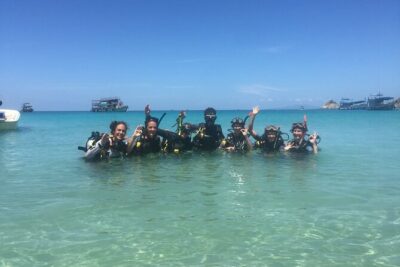 ★ 5.0La Bombona Diving Koh Tao Open Water CourseFrom $423172 reviews
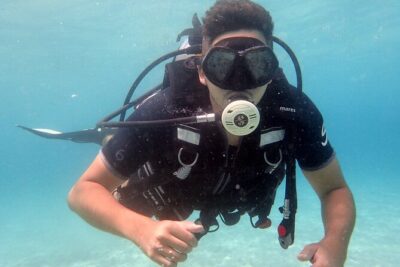 ★ 5.0Become certified diver in 3 days – PADI Open Water Diver course on Koh TaoFrom $375104 reviews
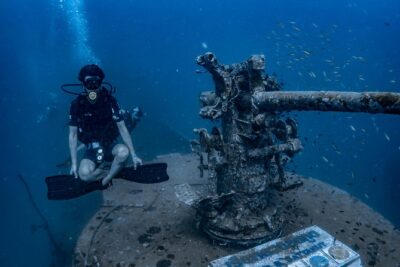 ★ 5.0Fun Diving Packages (Certified Divers)From $7193 reviews
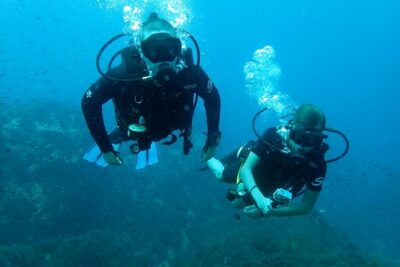 ★ 4.5PADI Discover Scuba Diving in Koh Tao – half day and two divesFrom $12174 reviews
 ★ 5.0Try Scuba DivingFrom $12146 reviews
Browse the lists this tour appears in